The invoice is raised, the truck is loaded, the driver is waiting — and now someone logs into a separate portal to type the same details all over again to generate an e-way bill. It's the most avoidable delay in a distributor's day, and the one that most often holds up a delivery. Worse, a small slip on that form can get a whole consignment detained at a checkpoint. Understanding the rules — and generating the bill from data you already have — turns this from a daily chore into a non-event.
When do you actually need an e-way bill?
As a general rule, you need an e-way bill to move goods when the consignment value exceeds ₹50,000. It applies to both inter-state movement and, in most states, movement within the state — though intra-state thresholds and exemptions vary, so confirm the rule where you operate. It covers movement for a sale, but also transfers to your own branch, returns to a supplier, and goods sent for job work. If goods worth more than the threshold are on a vehicle, assume you need one until you've checked otherwise.
Part A and Part B — what goes where
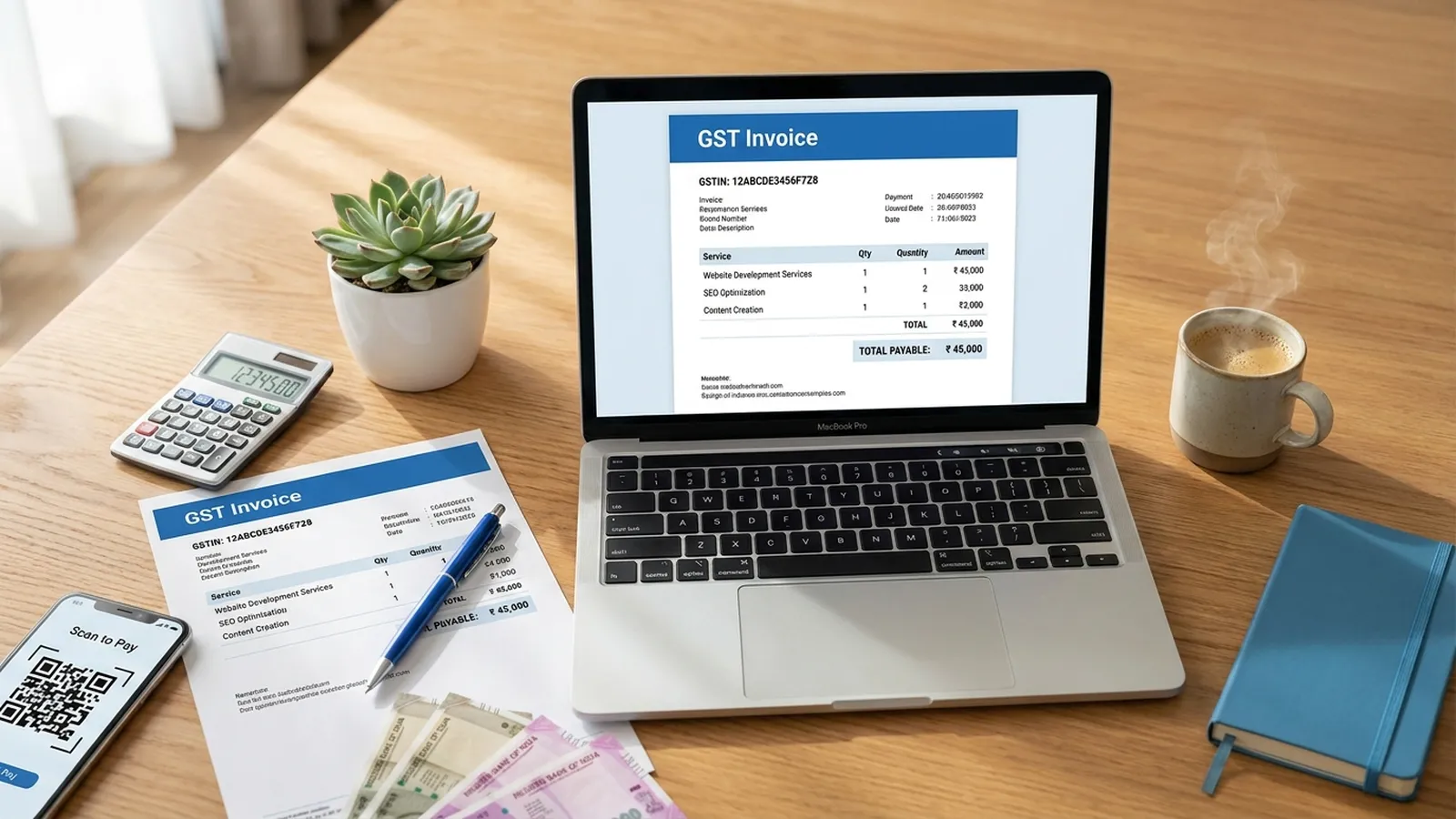
An e-way bill has two parts. Part A is the consignment: the GSTINs, the invoice number and value, the HSN codes and the place of supply — essentially everything already on your invoice. Part B is the transport: the vehicle number and transporter details. Part A can be filled the moment the invoice exists; Part B is added when the vehicle is assigned. The bill is only valid for movement once both are complete.

How long is an e-way bill valid?
Validity is tied to the distance the goods travel, not a flat number of days — roughly a day for the first stretch and additional time for longer hauls, counted from when Part B is filled. The practical takeaway: don't generate the bill too early. If you create it and then the vehicle is delayed a day, you can burn the validity before the goods have even moved, and a bill that expires in transit is treated the same as no bill at all.
The mistakes that get goods detained
Nearly every detention traces back to a mismatch between the e-way bill, the invoice and the physical goods. The usual culprits:
- A wrong or outdated vehicle number in Part B after the goods were shifted to another truck
- An expired e-way bill because it was generated too early or the trip took longer than expected
- A value or tax figure that doesn't match the invoice travelling with the goods
- A missing or wrong HSN code, or the wrong place of supply
Notice the pattern: none of these are about the goods being wrong. They're about the paperwork not matching itself. When the invoice and the e-way bill are typed separately by different people, mismatches are almost guaranteed.
Generate it from the invoice, not a separate ritual
The whole headache disappears when the e-way bill is built from the invoice you already raised. Part A fills itself from the invoice data — same value, same GSTINs, same HSN — so there's nothing to re-type and nothing to mismatch. You add the vehicle number when the truck is assigned, and the bill is ready. No second login, no re-keying, no checkpoint surprises.
E-way bill compliance isn't hard; it's just tedious when done by hand. Get the rules right, generate the bill from the invoice instead of a blank portal form, and add the vehicle at the last moment — and the truck leaves on time with paperwork that matches itself, every trip.