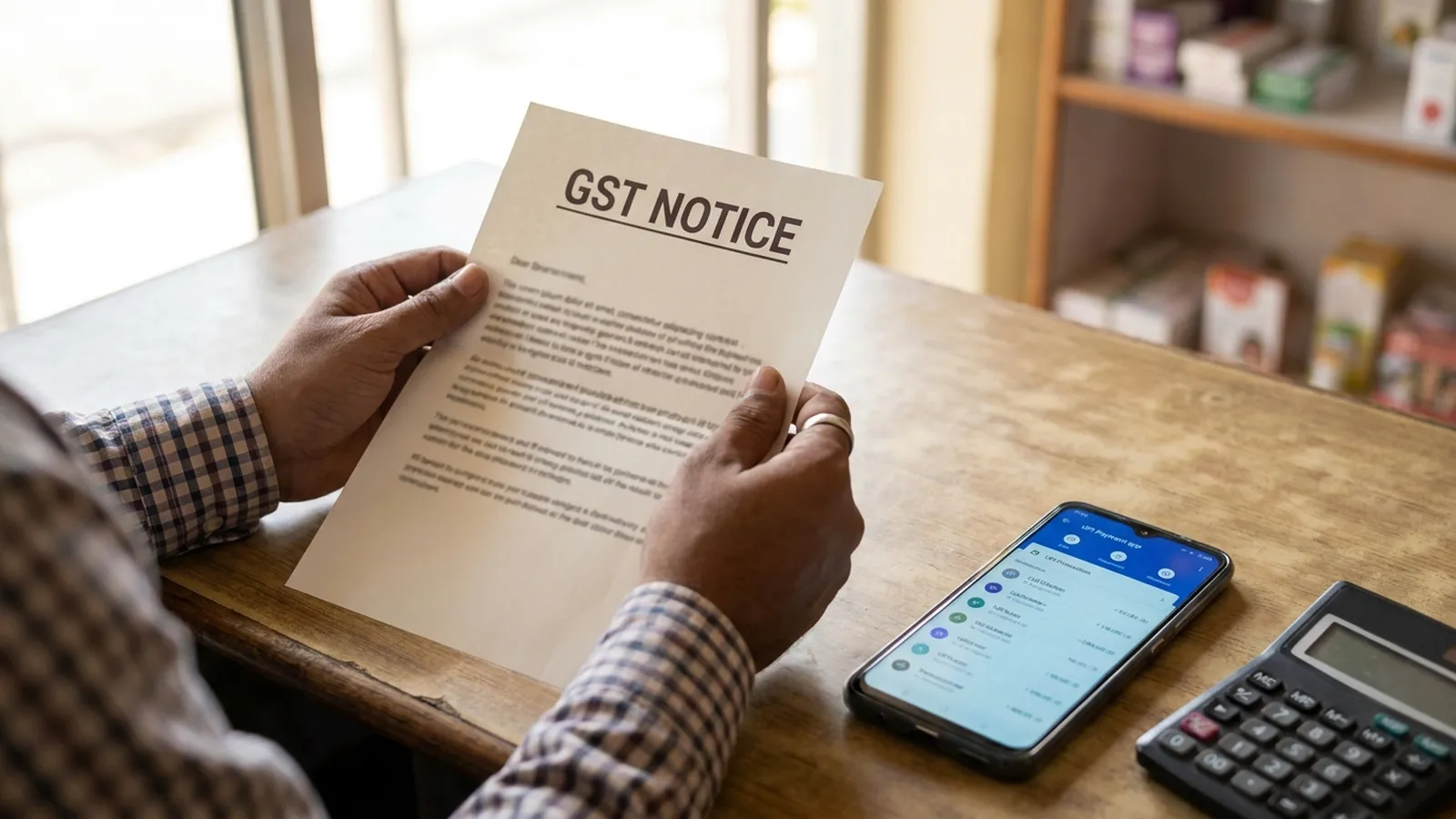
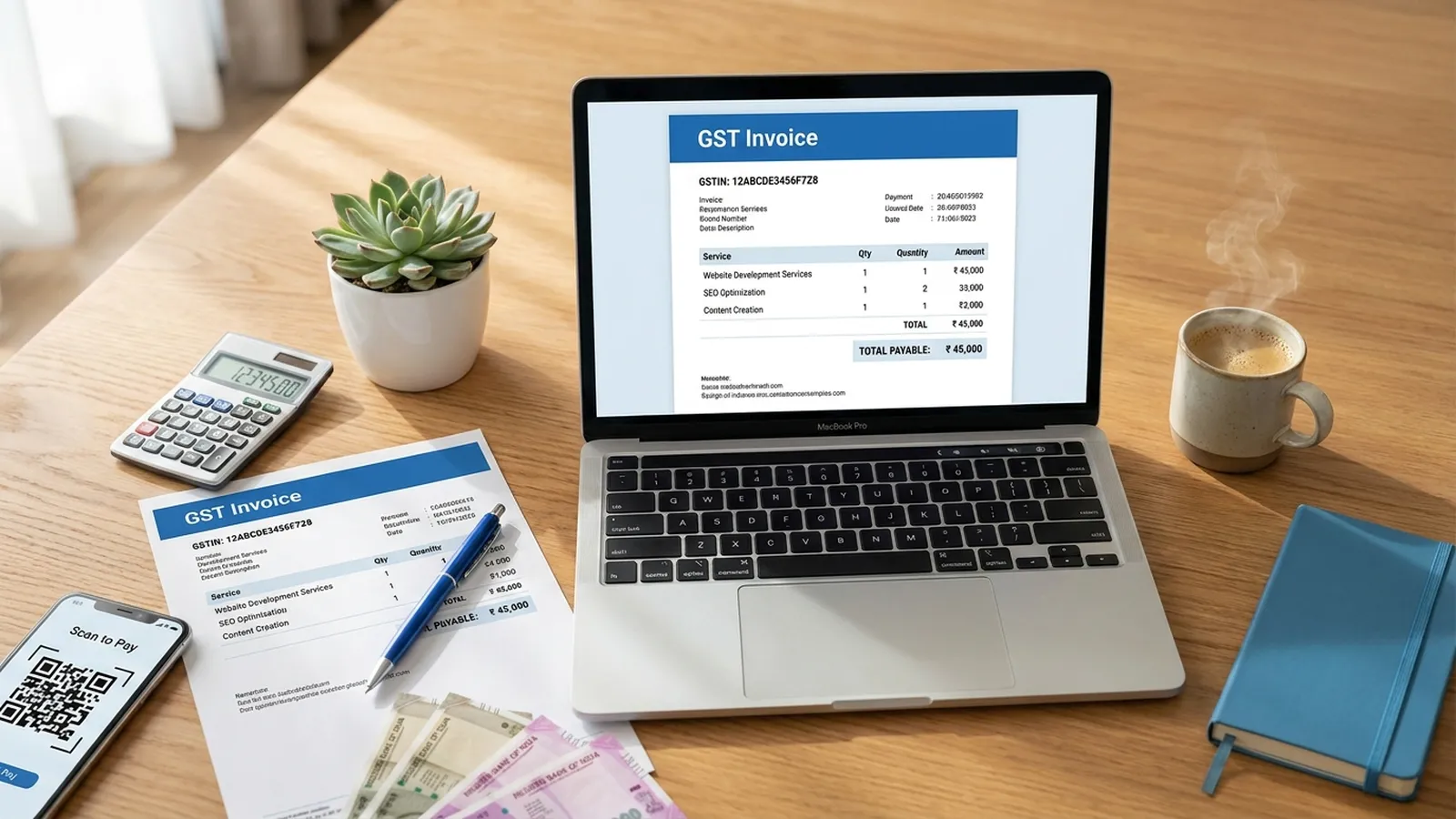
A GST invoice is not just a bill — it is the document your buyer uses to claim input tax credit, and the record the department checks against your returns. Get the basics right and filing becomes routine. Get them wrong and you spend month-end fixing mismatches.
What every tax invoice must show
- Your name, address and GSTIN
- A unique, sequential invoice number and the date
- The buyer's name, address and GSTIN (for B2B)
- HSN code for each item
- Taxable value, tax rate, and the tax amount split by head
- Place of supply, especially for inter-state sales
CGST/SGST vs IGST — the one rule to remember
If the supply is within your state, the tax splits into CGST and SGST (half each). If it crosses state lines, it becomes a single IGST at the full rate. Your software should decide this automatically from the place of supply — doing it by hand is where errors creep in.

Schemes, discounts and round-off
Trade schemes and quantity discounts must be shown on the invoice to be valid for GST. A discount given after the sale only reduces tax if it was agreed beforehand and linked to the invoice. Keep scheme logic inside your billing so the taxable value is always correct.
When do you need an e-invoice?
Businesses above the notified turnover threshold must generate e-invoices with an IRN and QR code. Even if you are below it today, build the habit of clean, structured invoices now — crossing the threshold later becomes a non-event instead of a scramble.
Share it where your customer already is
A clean PDF on WhatsApp beats a printout that gets lost. It reaches the shop instantly, sits in the chat as a record, and makes follow-up on payment a single message away.